Arb-Gen
What Is an Arborist Report?
Learn what an arborist report is, what it typically covers and when you may need one for tree risk, planning or council decisions.
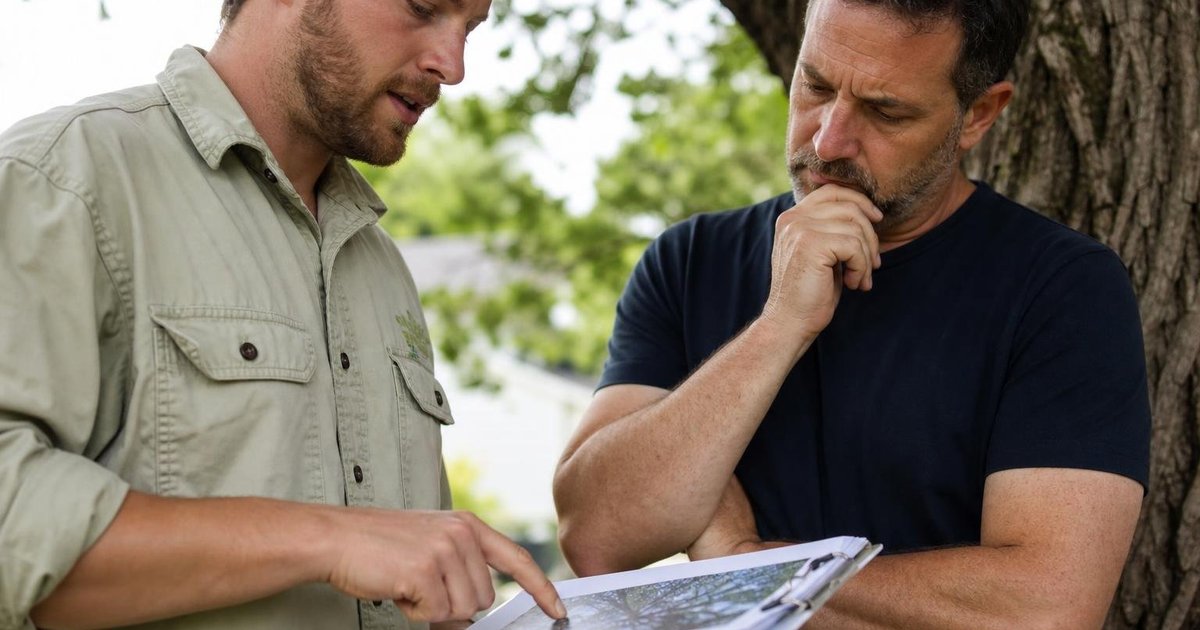
What Is an Arborist Report?
An arborist report is a formal, site-specific document prepared by a qualified arborist. It records an assessment of trees on a property or project site, with attention to their health, condition, structure and safety.
The report turns site observations into documented evidence. Depending on the purpose, it may also address tree risk and relevant compliance considerations. This gives owners, councils and project teams a clear basis for discussing the trees affected by a proposal or concern.
Its role is to support a defensible decision rather than simply describe a tree. An arborist report can inform whether a tree should be retained, protected, managed or considered for removal. It is commonly used for council approvals, development applications and tree risk decisions, but the exact scope should match the site and the decision required.
- A qualified arborist assesses the tree’s health, condition, structure and safety.
- The document records site-specific observations in a formal report.
- It helps people make informed decisions about retention, protection, management or removal.
A Report Is More Than a Tree Check
An arborist report is not a quick verbal opinion about whether a tree looks healthy. It is a formal, site-specific document prepared by a qualified arborist. The scope is set by the reason for the assessment: a single tree concern, a proposed development, a council application, or a management decision. That purpose shapes what the arborist needs to inspect, assess and explain.
The report records the arborist’s observations and assessment so its recommendations have a clear evidence base. It may consider tree health, condition, structure, safety risk and relevant compliance issues, depending on the brief. This documented reasoning can help people make decisions in planning, risk management, insurance, disputes or other formal processes. Recommendations should always be read alongside the report’s stated purpose, the site conditions observed and the assessment date.
What an Arborist Report Typically Covers
An arborist report is prepared for a defined site and decision. It records an arborist’s assessment of relevant trees and provides recommendations that relate to the brief. The decision might concern routine tree management, a safety concern, retention or removal, or a proposed development. A report about one tree can be focused, while a development application may require documentation for many trees across a site.
The report should make clear what was assessed. Where a number of trees are involved, a tree survey or inventory can record information such as species, size and condition.
Assessment findings usually address a tree’s health, condition and structure. Depending on the purpose of the report, they may also consider safety or risk. The arborist uses these observations to explain the condition of the trees being considered, rather than simply listing an outcome. This helps a property owner, project team or approval body understand the basis for the advice.
They may cover management work, retention, removal, protection, or the possible effects of a project near trees. A well-scoped report links its recommendations to the trees and circumstances examined. It is not a standard form with the same level of detail for every site.
Supporting the findings with clear records
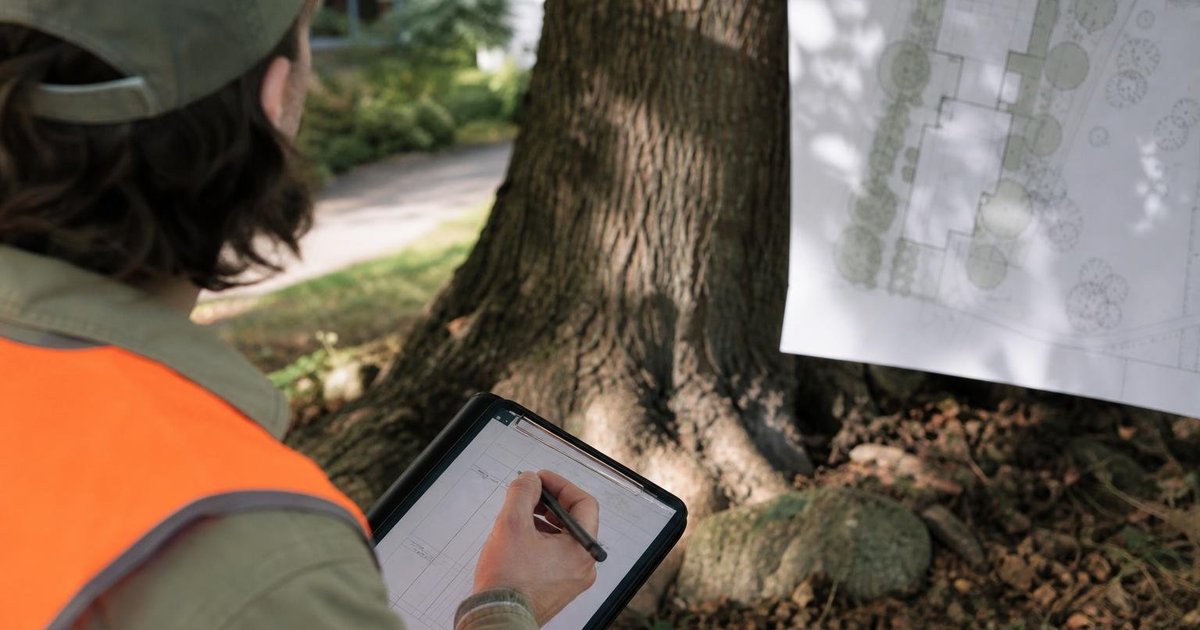
Site plans, maps and photographs can make a report easier to use. They can show where relevant trees are located and help readers connect the written findings to the correct tree or part of the site. Clear photos can also support the arborist’s observations and practical recommendations.
Supporting records are selected to suit the brief. A site with several trees or proposed building work may need more detailed mapping than a focused assessment of a single tree.
When You May Need an Arborist Report
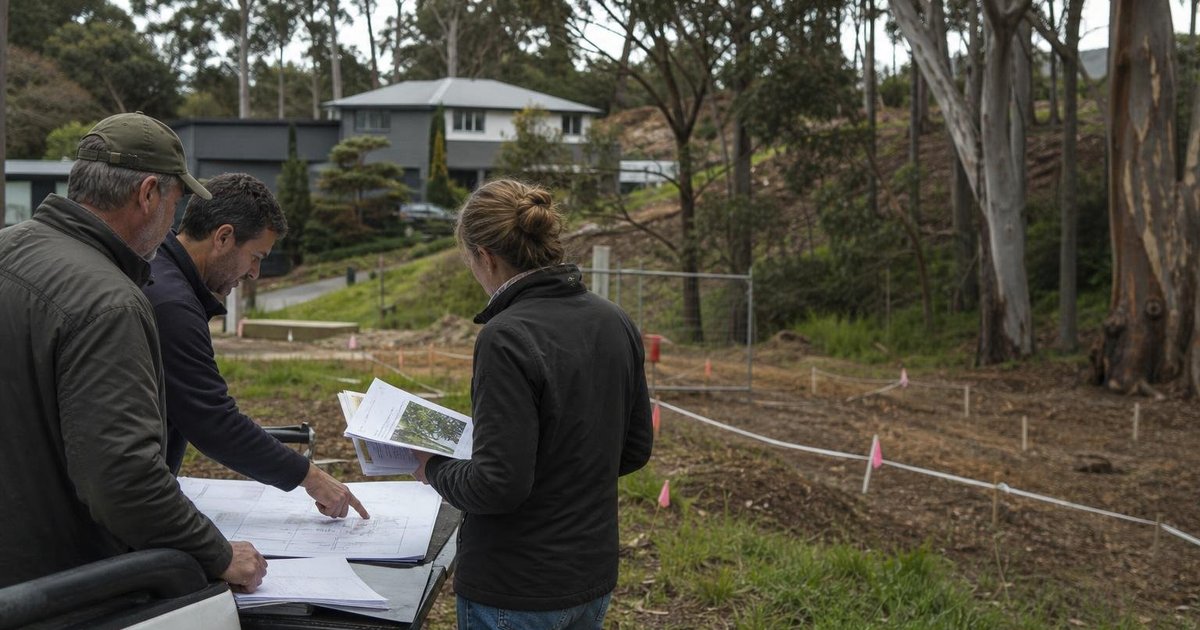
You may need an arborist report when a council approval or development application asks for professional tree information. This can apply when a project may affect trees on or near a site, including proposed building work and other development. The report gives the decision-maker a documented assessment of the relevant trees and the project context.
Development close to trees can also create a need for impact assessment or advice focused on tree protection. In these cases, the report is tailored to the site and the project timeline. It may help explain how the proposal relates to the trees being considered, rather than providing a general opinion about every tree on the property.
A targeted report can also be appropriate when there are concerns about a tree’s health, condition, structure, or potential risk. Other purposes may include heritage or culturally sensitive sites, research, and broader tree-data collection or analysis. The right scope depends on the decision the report needs to inform.
Council and approval requirements vary by location and project, so confirm the required report scope before commissioning work.
How to Commission and Use the Right Report
Start with the decision the report needs to support. This may be a council tree application, a development application, a design choice near existing trees, or a tree-risk concern. State the property or project context clearly when you make an enquiry. Arborist reports are site- and project-specific, so a clear purpose helps the consulting arborist identify the assessment and report type that fit the situation.
Engage a qualified consulting arborist and provide the information available about the site, proposed work and timing. For a development matter, this can include the project context and the decision the report must inform. A straightforward report may be completed more quickly, but reports for development applications, tree impacts, protection planning, detailed management or diagnostic work can take longer. They commonly need more site data, assessment, review and report detail.
Once complete, use the report as evidence for the next decision rather than treating it as a stand-alone formality. It may support a council or planning process, guide project discussions, or inform how a tree concern is managed. Keep the final report with related property or project records so the assessment and its recommendations remain available as the work or decision progresses.
Make Tree Decisions With Clear Evidence
An arborist report turns on-site tree observations into documented advice for a defined decision. That decision may relate to tree condition, risk, retention, removal, a council application, or planned development. The most useful report is not simply the longest one; it is the one scoped to the question that needs answering.
Before engaging an arborist, be clear about the site, the decision, and any application or project deadline. A qualified consulting arborist can assess the relevant trees and prepare a report suited to that purpose. Allow time for the site assessment, analysis, report preparation, and any review required for the project, especially where development or tree protection is involved.
- Define the decision the report needs to support.
- Share relevant plans, site details, and deadlines early.
- Engage a qualified consulting arborist for the required assessment.
FAQ
How much does an arborist report cost?
The cost of an arborist report depends on its scope, including the number of trees, site conditions and the decision it must support. Development, impact, protection and detailed management reports generally require more assessment and review than straightforward requests.
How long does an arborist report take?
A straightforward arborist report may be completed more quickly, while development, tree-impact, protection-planning and diagnostic reports usually take longer. More complex reports need additional site data, assessment, review and report detail.
How long is an arborist report valid for?
An arborist report reflects the site conditions and assessment date recorded in the document. Its suitability for a council, planning or project decision depends on the relevant authority requirements and whether site conditions or project details have changed.
Need an arborist report for a site decision?
Provide the site details, proposed work and decision timeframe so a qualified consulting arborist can help define an appropriate report scope.
Discuss Your ReportReferences
- Understanding Arborist Reports: What You Need to Know
- How Long Does It Take To Get An Arborist Report? | Sydney Arborist Solutions
- Arborist Report Sydney | Aura Tree Services
- What Is an Arborist Report and When Do You Need One? | Sydney Arborist Solutions
- Arborist Reports Explained: Tree Assessments, TMPs & Tree Audits
- Guide to Arborist Reports in Sydney: What to Look For - Canopy Consulting
- How Much Does An Arborist Report Cost? [2026]
- Arborist Reports: What They Are & Why You Need One | Treescience
- Professional Arborists Reports - Jim's Trees
- When Do You Legally Need An Arborist Report In Melbourne? — ArborPlan Arboriculture Consultants